

Table of Contents
- What the Bible Says About Clothing Style: Core Principles
- What Does the Bible Say About Modesty
- Bible Verses About Clothing and Appearance
- Christian Clothing Guidelines for Daily Life
- Christian Clothing Style for Men
- Context, Culture, and Biblical Interpretation
- Clothing as an Expression of Godliness and Faith
- Navigating Disagreement and Avoiding Judgment
- Frequently Asked Questions
Last Updated: October 18, 2026
What the Bible Says About Clothing Style: Core Principles
What does the Bible say about clothing style, and how does Bible clothing style reflect our faith? The answer spans both Testaments, offering principles deeper than fashion rules. Biblical guidance connects what we wear to who we are becoming in Christ, a reflection of inner transformation, not just external appearance.
At Dark Times Rebellion, we believe clothing carries meaning. Choosing apparel intentionally makes a statement about your values and faith. The Bible doesn't prescribe a modern dress code; it offers principles about modesty, respect, self-control, and the link between external choices and internal character.
These principles shape how we present ourselves, treat our bodies, and honor God through everyday choices.
What Does the Bible Say About Modesty
Modesty in Scripture isn't about shame or hiding. It's about intentionality, a virtue connected to humility, self-respect, and consideration for others. When the Bible addresses clothing, it asks: What does your clothing communicate about your heart?
Biblical modesty means dressing to draw attention to who you are as a person, not primarily to your body, and choosing apparel that reflects respect for yourself and others. It applies to both men and women, though Scripture addresses women's clothing more explicitly in some passages.
Clothing and character are deeply connected in biblical teaching: what we wear influences how we see ourselves and how others perceive us. Modest choices reflect commitment to values beyond attraction or status.
1 Timothy 2:9-10 and Respectable Apparel
Paul writes to Timothy about women's apparel with specific language: "I also want the women to dress modestly, with decency and propriety, adorning themselves not with elaborate hairstyles or gold or pearls or expensive clothes, but with good deeds, appropriate for women who profess to be godly" (1 Timothy 2:9-10).
This passage doesn't forbid jewelry or nice clothing; it prioritizes good works over outward display. "Respectable apparel" here means clothing reflecting decency and propriety, choices that communicate self-control and regard for others.
The emphasis is balance: dress well and with care, but not in ways suggesting pride or prioritizing appearance over character. Paul isn't condemning beauty or quality; he's calling for perspective. Your clothing should reflect your values, not dominate your identity.
1 Peter 3:3-4 and Inner Character
Peter reinforces this principle: "Your beauty should not come from outward adornment, such as elaborate hairstyles and the wearing of gold jewelry or fine clothes. Rather, it should be that of your inner self, the unfading beauty of a gentle and quiet spirit, which is of great worth in God's sight" (1 Peter 3:3-4).
Again, the message isn't that appearance doesn't matter, Peter acknowledges people adorn themselves. The point is priority and proportion: inner character, gentleness, respect, and a quiet spirit hold greater value than external display.
Christians shouldn't neglect appearance or dress carelessly; we dress thoughtfully, recognizing clothing as one expression of who we are, not the foundation of our identity.
Bible Verses About Clothing and Appearance
Scripture addresses clothing in various contexts; reading these passages together gives a fuller picture of biblical principles about what we wear.
Old Testament Foundations
The Old Testament establishes foundational principles about clothing's significance. In Genesis 3:21, after Adam and Eve's sin, God provides clothing, an act of both judgment and grace. Clothing becomes a sign of our fallen nature and God's provision, a connection that shapes how we view apparel throughout life.
Deuteronomy 22:5 addresses gender distinctions in clothing: "A woman must not wear men's clothing, nor a man wear women's clothing, for the Lord your God detests it." This passage emphasizes that clothing carries meaning related to identity and order.
Other Old Testament passages show clothing reflecting status, character, and spiritual condition: priests wore specific garments for service, kings wore distinctive apparel, and clothing marked covenant relationships. What people wore mattered because it connected to who they were and what they represented.
New Testament Guidance
The New Testament continues this theme with practical guidance, addressing clothing in relation to unity, humility, and witness.
James 2:1-4 warns against favoritism based on appearance and clothing: believers should judge others by character, not apparel. Yet it implies clothing does communicate something, so we must not let external appearance become the basis for how we treat people.
Paul's letters frequently address how believers present themselves. In Colossians 3:12, he encourages believers to "clothe yourselves with compassion, kindness, humility, gentleness and patience." This metaphor shows our actual clothing should reflect these inner qualities, apparel expressing faith becomes an outward sign of inward commitment.
The principle running through New Testament guidance is consistency. Your clothing should align with your profession of faith. If you claim to follow Christ, your choices, including what you wear, should reflect that commitment.
Christian Clothing Guidelines for Daily Life
How do you apply biblical principles about clothing to everyday decisions? The goal isn't a rigid dress code, ask yourself key questions about your choices.
First, consider your motivation. If the primary aim is drawing attention to your body or displaying wealth and status, that conflicts with biblical modesty and humility.
Second, think about context: what's appropriate for a beach outing differs from a church service or job interview. Biblical wisdom includes dressing appropriately for the setting and people around you.
Third, evaluate the message your clothing sends: does it communicate respect, align with your profession of faith, and draw people toward your character rather than primarily your appearance?
Guidelines for daily Christian clothing choices:
- Dress in ways that reflect self-respect and respect for others
- Choose apparel that aligns with the context and setting
- Avoid clothing that prioritizes drawing sexual attention
- Select quality pieces that last, avoiding excessive consumption
- Express your faith through intentional, thoughtful clothing choices
- Recognize that modesty is about proportion and priority, not shame
Christian Clothing Style for Men
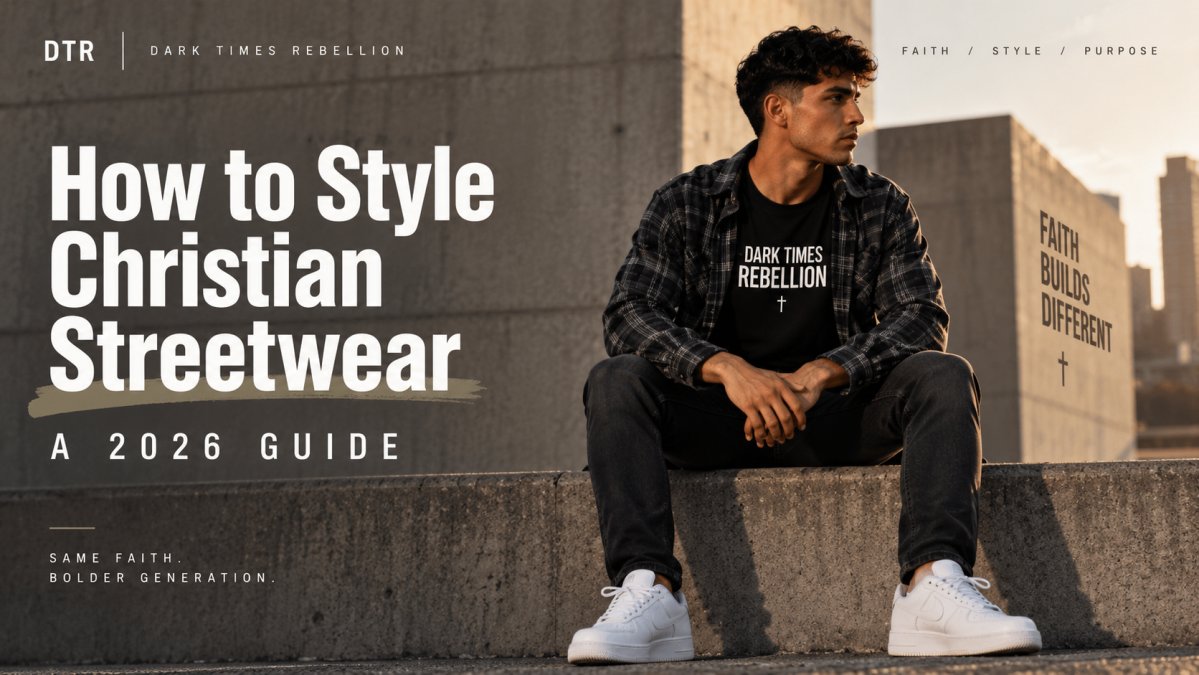
Biblical principles about clothing apply to men as fully as to women, though Scripture addresses women's apparel more explicitly.
For men, this means avoiding clothing that flaunts wealth or prioritizes appearance over character, and dressing in ways that communicate respect for yourself, your body, and those around you, the same intentionality expected of women.
Come As You Are - Premium T-Shirt - Black →
The principle of gender distinction in Deuteronomy suggests men's and women's apparel should reflect their respective identities. Application varies by culture, but the underlying principle concerns clarity and respect for God's design of male and female.
Men expressing faith through clothing face the same questions women do: Does this reflect my values? Does this communicate respect? Does this align with my profession of faith in Christ?
Many Christian men find that quality, durable apparel that expresses their faith becomes a daily reminder of their commitment.
Context, Culture, and Biblical Interpretation
Understanding biblical principles about clothing requires recognizing the role of culture and historical context. The Bible was written in specific cultural settings, and some of its guidance reflects those contexts while other principles are timeless.
When Paul addresses women's hairstyles and gold jewelry in 1 Timothy 2:9, he's speaking to a specific cultural situation in Ephesus. Women in that culture displayed wealth and status through elaborate hairstyles and expensive jewelry.
This doesn't mean biblical principles are relative or culturally determined. It means we must understand what the principle is beneath the specific cultural application. The principle is modesty, self-control, and alignment between inner character and external presentation.
Consider also that biblical guidance on clothing reflects the body's significance. In a culture that often treats the body as merely an object for display or consumption, biblical principles call for respect and intentionality. Your body is God's temple.
Cultural norms change. Fashion changes.
Clothing as an Expression of Godliness and Faith
Your clothing is a form of communication. Every day, you make choices about what to wear, and those choices send messages about who you are and what you value.
When you choose apparel intentionally, you're making a statement. You're saying something about your priorities, your respect for yourself and others, and your commitment to living out your faith. This doesn't require wearing obviously religious messages or symbols.
Godliness expressed through clothing means dressing in ways that reflect humility, self-respect, and consideration for others. It means rejecting the pressure to dress primarily for attention or status.
Dark Times Rebellion exists because we believe that clothing can carry meaning. Our premium heavyweight apparel is designed for believers who want to express their faith through what they wear.
When you wear clothing that expresses your commitment to Christ, you're making a daily choice to align your external presentation with your internal faith.
| Principle | Application | Result |
|---|---|---|
| Modesty | Dress with self-control and respect | Reflects inner character |
| Intentionality | Choose apparel aligned with values | Communicates commitment to faith |
| Quality | Select durable, well-made pieces | Demonstrates stewardship |
| Context awareness | Dress appropriately for settings | Shows respect for others |
| Inner character priority | Focus on good works over display | Aligns external with internal |
Navigating Disagreement and Avoiding Judgment
Christians often disagree about what biblical principles on clothing look like in practice. Some believers interpret modesty strictly.
These disagreements are real, and they're worth taking seriously. But they shouldn't become occasions for judgment or shame.
What matters most is your motivation and your heart. Are you dressing with respect for yourself and others?
Disagreement about clothing style shouldn't lead to shame. Some believers will interpret modesty more conservatively. Others will see more freedom in fashion choices.
Avoid judging others based on their clothing choices. Avoid assuming that someone's apparel reveals their spiritual condition.
When you encounter disagreement about clothing within your faith community, approach it with humility. Listen to why others hold their convictions.
The goal isn't uniformity in fashion. It's unity in faith and consistency between what we profess and how we live.
When you choose clothing that's made to last, designed with purpose, and aligned with your values, you're making a statement about who you are and what you stand for. Our premium heavyweight pieces, like the Come As You Are Premium T-Shirt, are crafted for believers who refuse to compromise on quality or authenticity.

Enter the Rebellion. Wear your faith with confidence, knowing that your clothing choices reflect your commitment to standing firm in Christ.
Frequently Asked Questions
What does the Bible say about modesty in clothing?
Scripture emphasizes that modesty reflects inner character and respect for God. 1 Timothy 2:9-10 instructs women to dress modestly with propriety and self-control, while 1 Peter 3:3-4 teaches that true beauty comes from a gentle and quiet spirit rather than external adornment. The principle applies to all believers: clothing should reflect godliness, avoid drawing inappropriate attention, and demonstrate consideration for others. Modesty is not about shame but about aligning outward choices with inward values and spiritual priorities.
What Bible verses address clothing and appearance?
Key passages include Genesis 3:21, where God provides garments after humanity's fall; Deuteronomy 22:5, which addresses gender distinctions in clothing; 1 Timothy 2:9-10, emphasizing modest apparel and good works; 1 Peter 3:3-4, contrasting external adornment with inner character; and Proverbs 31:25, describing strength and dignity in dress. These verses collectively teach that clothing choices matter spiritually, they reflect our hearts, respect for God, and commitment to godliness. The Bible does not prescribe a rigid dress code but establishes principles that guide believers' decisions about what they wear.
Can Christians wear clothing that expresses their faith boldly?
Yes. Romans 1:16 states, 'I am not ashamed of the gospel,' which empowers believers to express their faith openly. Clothing that declares your commitment to Christ, whether through Scripture-based designs, purpose-driven messages, or faith-centered apparel, serves as a silent testimony and can encourage others. The key is ensuring your clothing reflects genuine godliness and inner character, not vanity or attention-seeking. Premium, purpose-driven pieces like Dark Times Rebellion's heavyweight apparel allow you to wear your faith with intention and quality, standing firm in your beliefs without compromise.
How should Christian clothing guidelines apply to men?
Biblical clothing guidelines for men emphasize modesty, propriety, and self-control just as they do for women. Men are called to dress in a way that reflects godliness, avoids drawing attention through excess or vanity, and demonstrates respect for God and others. This means choosing quality, appropriate apparel that aligns with the setting and reflects inner character. For men seeking to express faith through clothing, selecting heavyweight, durable pieces with meaningful designs, rather than trendy or flashy garments, demonstrates a commitment to substance over superficiality and allows faith to be expressed through purposeful choices.