

Table of Contents
- Why Most Christian Apparel Falls Apart After a Few Washes
- The Heavyweight Cotton T-Shirt Quality Guide: Start With the Fabric
- Screen Printing vs. Vinyl Transfer: Which Print Survives?
- Check the Stitching and Seams Before You Buy
- How to Care for Graphic Tees to Extend Their Life
- Durable Christian Apparel for Men: What to Look For
- The Bottom Line on Finding Quality Faith-Based Gear
- Frequently Asked Questions
Last Updated: September 8, 2026
Why Most Christian Apparel Falls Apart After a Few Washes
You know the disappointment: you buy a shirt with a bold faith message, wash it three times, and the print is cracking while the fabric feels like sandpaper. This pattern repeats because most brands prioritize low cost over construction. Durable Christian apparel is the exception, and identifying it starts with understanding that quality is a set of measurable specifications, not a marketing claim.
The difference between a shirt that lasts one season and one that survives years of repeat wear comes down to three things: fabric weight, print method, and seam construction. Most guides skip the technical details, so let's walk through what actually matters.
The Heavyweight Cotton T-Shirt Quality Guide: Start With the Fabric
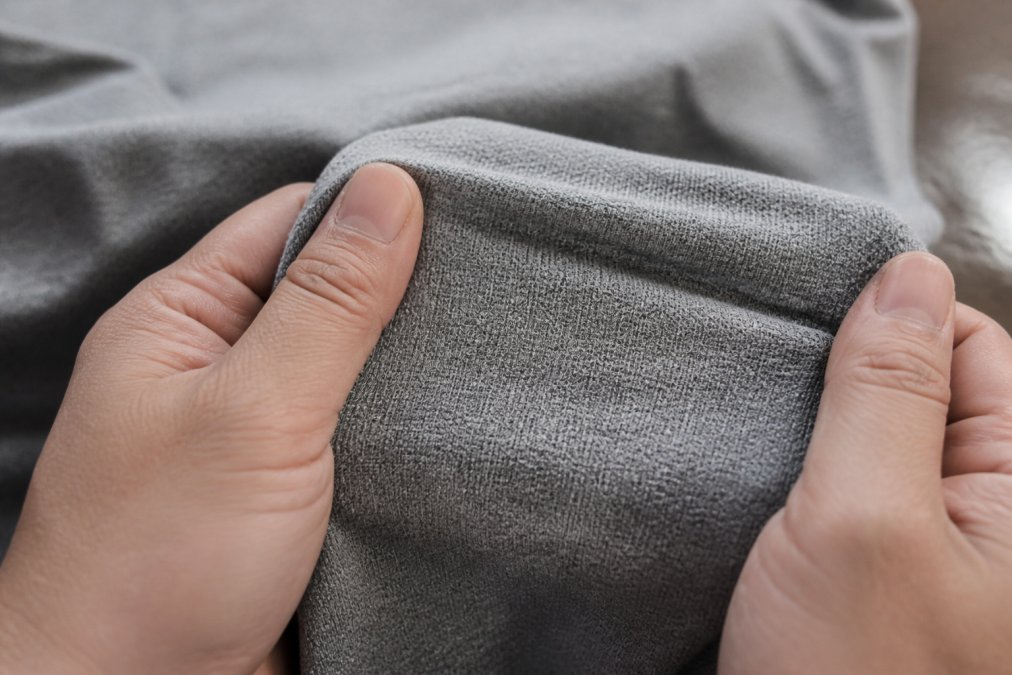
The fabric is the foundation of any durable garment. If the base material is thin or low quality, nothing else matters. A heavyweight cotton t-shirt quality guide always begins with the same principle: check the fabric weight first.
What GSM and oz/yd² Actually Tell You
Fabric weight is measured in grams per square meter (GSM) or ounces per square yard (oz/yd²). A standard department store t-shirt weighs around 4.5 to 5.5 oz/yd². Premium, durable apparel starts at 6 oz/yd² and goes up from there. Heavier fabric resists stretching, maintains its shape through wash cycles, and drapes better on the body. When a brand lists a specific fabric weight, they are confident in their materials; when they list nothing, assume the worst.
Why Ring-Spun and Combed Cotton Matter
Beyond weight, the fiber quality determines how the fabric feels and ages. Ring-spun cotton is twisted into finer, stronger yarns, creating a softer hand-feel while increasing durability. Combed cotton removes short fibers and impurities before spinning, leaving only long, strong strands. Together, these processes produce fabric that resists pilling and maintains its integrity through hundreds of washes. A premium shirt will proudly state "100% ring-spun cotton"; if you see just "100% cotton" without the qualifiers, the fiber quality is likely lower.
Screen Printing vs. Vinyl Transfer: Which Print Survives?
The print method determines whether your message fades, cracks, or holds strong. Screen printing pushes ink directly through a mesh stencil into the fabric, bonding with the fibers. Vinyl transfer presses a plastic layer onto the surface; it is cheaper and faster to produce, but it cracks and peels after repeated washing. Screen printing, especially with water-based or plastisol inks, becomes part of the garment itself and withstands far more wash cycles. Direct-to-garment (DTG) printing works well for detailed designs but can fade faster than traditional screen printing on dark fabrics. When evaluating durable Christian apparel, ask what method was used, if the answer is vague, the print will not last.
The At-Home Print Stress Test
Most guides tell you to ask about the print method, but brands can be vague or misleading. You can evaluate print durability yourself with a simple at-home test before you buy, or immediately after it arrives.
The Stretch-Back Test: Gently pull the fabric taut from the inside of the garment, directly behind the printed area. If you see the ink lighten, crack, or separate from the fabric, the print has poor elasticity and will likely crack after a few washes. A quality screen-printed design should move with the fabric without visible stress marks.
The Surface Feel Test: Run your fingernail lightly across the surface of the print. A vinyl transfer will feel like a distinct, raised plastic layer. A screen print, especially water-based, will feel integrated into the fabric, almost like part of the shirt itself. Plastisol screen prints have a slight raise but should not feel like a separate sticker.
The Flex-and-Release Test: Fold the shirt sharply through the printed area and press down. Unfold and inspect the crease. Vinyl will show a permanent white crease line. Quality screen ink will show little to no mark. This test simulates the stress of normal wear and folding.
The Chemistry of Quality Inks
Physical testing tells you how a print behaves, but chemical safety is a layer of quality most shoppers overlook. The inks used in Christian apparel matter not just for durability but for what touches your skin.
Plastisol ink, the most common in screen printing, is a PVC-based plastic that sits on top of the fabric. It is durable but has raised environmental and health concerns. Water-based inks penetrate the fabric fibers, creating a softer hand-feel and a print that ages with the garment. Discharge inks, a type of water-based ink, remove the shirt's dye and replace it with pigment, producing a print that is virtually part of the fabric itself.
For a higher standard of trust, look for garments and prints certified under the OEKO-TEX Standard 100. This independent certification system tests for harmful substances across hundreds of parameters, ensuring that every component, fabric, thread, and print, is safe for human use.
Why Print Method and Ink Chemistry Are Connected to Durability
The relationship between print method and ink chemistry is direct. A vinyl transfer uses a plastic film that sits on the surface; it has no chemical bond with the fabric. Screen printing with plastisol bonds mechanically as the ink cures into the fabric's texture. Water-based and discharge inks create a chemical bond at the fiber level. Understanding this hierarchy lets you evaluate any garment's print durability by examining how the design sits on the fabric, not just by trusting marketing language.
This is the layer of quality that separates a shirt that declares your faith for years from one that silently loses its message after a season. The print is not decoration; it is the testimony made visible.
Check the Stitching and Seams Before You Buy
Fabric and print get the attention, but seams are where cheap shirts fall apart. Examine the collar first: a double-needle topstitched collar resists stretching and keeps its shape. Twill tape reinforcement at the neck and shoulders prevents the fabric from pulling apart at stress points. Look for double-needle stitching on the armholes, sleeves, and bottom hems, single-needle stitching creates weak points that fail under tension. Check the stitch density as well; more stitches per inch means a stronger seam.
How to Care for Graphic Tees to Extend Their Life
Even the best-constructed garment fails if you wash it incorrectly. How to care for graphic tees comes down to a few rules that protect both fabric and print. Wash in cold water, never hot, because heat breaks down elastic fibers and accelerates fading. Turn the shirt inside out before washing so the print does not rub against other clothes. Use a gentle cycle and avoid fabric softeners, which coat fibers and reduce breathability. Hang dry whenever possible; the heat of a dryer is the single biggest killer of both fabric integrity and print longevity. If you must use a dryer, use the lowest heat setting.
The Cost-Per-Wear Metric: Why Care Habits Are a Financial Decision
Most care guides stop at the mechanics of washing. But there is a deeper reason to care for your garments properly: the cost-per-wear metric. This is the single most useful calculation for justifying the price of durable Christian apparel, and for understanding why fast-fashion alternatives are more expensive over time.
Cost-per-wear is simple: divide the purchase price by the number of times you wear the shirt before it fails. A $15 fast-fashion tee that survives 10 washes before the print cracks and the fabric pills costs $1.50 per wear. A $40 premium tee that survives 100 washes costs $0.40 per wear, a 73% savings over the life of the garment.
Here is the practical application. A premium heavyweight tee at $40, cared for properly, might deliver 150 wears, a cost-per-wear of $0.27. The same shirt, abused with hot water and high-heat drying, might fail at 40 washes, a cost-per-wear of $1.00. Your care habits can multiply the cost of a garment by nearly four times.
The Lifecycle Cost Comparison: Durable vs. Fast Fashion
Consider a realistic comparison over a three-year period. A consumer who buys fast-fashion Christian tees at $15 each and replaces them every two months because of cracking prints and fabric degradation spends $270 per year, $810 over three years. A consumer who invests in two premium tees at $40 each and rotates them with proper care spends $80 upfront and replaces them once over three years, $160 total. The premium path saves $650 over three years.
The upfront price of durable Christian apparel is not a premium; it is an investment with a measurable return. When you understand cost-per-wear, the decision becomes rational rather than emotional.
The Wash-Cycle Audit: Track Your Own Numbers
You do not need to trust anyone's math. Keep a simple note on your phone with the purchase date, price, and wash count for each of your graphic tees. After six months, calculate the cost-per-wear for each. You will likely find that your cheapest shirts are your most expensive per wear, and that the shirts you thought were splurges are actually your best value.
The Care Routine That Maximizes Garment Life
For a concrete routine, here is the full protocol that most garment-care professionals recommend for graphic tees:
- Pre-treat stains immediately with a gentle stain remover. Do not let stains set.
- Wash inside out in cold water (below 85°F) on the gentle cycle.
- Skip fabric softener entirely. Use a quarter cup of white vinegar in the rinse cycle instead, it naturally breaks down detergent residue and neutralizes odors without coating fibers.
- Hang dry on a padded hanger or lay flat on a drying rack. Direct sunlight can fade prints, so dry in a shaded area.
- If you must machine dry, use the lowest heat setting and remove the shirt while it is still slightly damp, then finish air drying.
- Iron inside out on low heat if needed. Never iron directly over the print.
Following this routine adds about five minutes to your laundry process. The payoff is measured in years of additional wear and dollars saved.
Durable Christian Apparel for Men: What to Look For
When shopping for durable Christian apparel for men, apply the same standards but pay extra attention to fit and construction. Men's shirts take more abuse across the shoulders and chest, so look for reinforced seams in those areas. The fit should be relaxed enough for movement without being baggy, and the fabric should drape well rather than cling. A garment-dyed finish creates a softer feel and a more vintage look while maintaining colorfastness. Check the size chart carefully and measure a shirt you already own to compare. Premium brands like Dark Times Rebellion publish detailed size guides because fit consistency matters as much as fabric quality.
The Bottom Line on Finding Quality Faith-Based Gear
Durable Christian apparel is not about finding the most expensive option. It is about verifying the specifications: heavyweight ring-spun cotton, screen-printed designs, reinforced seams, and proper care. A shirt built to these standards costs more upfront, but it delivers a better value over its lifetime because it does not need replacing every few months.
Dark Times Rebellion builds every piece with these standards in mind. Our heavyweight tees use 100% ring-spun cotton at 6.1 oz/yd², with a 7/8" double-needle topstitched collar, twill-taped neck and shoulders, and double-needle hems throughout. The Hope is Forged Premium T-Shirt and the WE DEFY THE DARKNESS Tee are built to carry your testimony through years of wear. When your faith is worth declaring, the garment should be worth the message. Enter the Rebellion and wear something built to last.

Frequently Asked Questions
What is the 3-3-3 rule for clothes?
The 3-3-3 rule is a simple method to test fabric quality. Hold the garment up to the light. You should not be able to see through three layers of the fabric. This indicates a heavier, more durable material. For durable Christian apparel, this test helps you confirm the shirt has enough weight to hold up to repeat wear and washing without becoming see-through or misshapen.
How can you tell if a screen print will last on a t-shirt?
Check the print's flexibility and the fabric underneath. A quality screen print should feel like part of the shirt, not a stiff plastic layer on top. Bend the fabric; if the print cracks immediately, it will likely fail fast. High-quality prints on heavyweight cotton, like those on Dark Times Rebellion tees, use plastisol or water-based inks that flex with the fabric.
What is the difference between ring-spun and carded cotton in apparel?
Carded cotton is the standard, cheaper process that leaves shorter fibers, creating a rougher and less durable yarn. Ring-spun cotton twists the fibers into a finer, stronger, and softer yarn. For durable Christian apparel for men, ring-spun cotton is the better choice because it resists pilling and tearing, keeping the shirt looking new through many more wash cycles.
Why does fabric weight matter for long-lasting Christian apparel?
Fabric weight, measured in GSM (grams per square meter) or oz/yd², is the single best indicator of durability. Lightweight shirts (under 5.0 oz/yd²) are prone to shrinking and losing their shape. Heavyweight options, like the 6.1 oz/yd² fabric used by Dark Times Rebellion, drape better, hold their structure, and withstand the friction of daily wear and washing without breaking down.