

Table of Contents
- Why Look Beyond Stand Up Now Apparel Alternatives?
- What Makes a Christian Apparel Brand Worth Your Money in 2026
- Comparison Table: Top Stand Up Now Apparel Alternatives
- The Best Christian Apparel Brands 2026: Our Top Picks
- Why Heavyweight Christian Streetwear Changes the Conversation
- How to Style Faith-Based Apparel for Everyday Wear
- What to Ignore When Choosing Christian Clothing Brands
- Enter the Rebellion: Choosing Apparel That Matches Your Faith
- Frequently Asked Questions
Last Updated: September 7, 2026
Why Look Beyond Stand Up Now Apparel Alternatives?
If you have bought Christian apparel before, you know the pattern: cheesy fonts, thin fabric, and a message that disappears after three washes. The search for stand up now apparel alternatives usually starts because a believer wants something that does not look like a youth group handout.
The modern believer does not want a shirt that whispers. They want apparel alternatives that carry weight, both physically and spiritually. The difference comes down to textile quality, design philosophy, and whether the company actually believes what it prints. As the Pew Research Center's study on religious expression notes, younger believers increasingly integrate faith into daily identity markers like clothing and lifestyle choices.
What Makes a Christian Apparel Brand Worth Your Money in 2026
Apparel alternatives are only worth purchasing when they meet three standards: material integrity, honest messaging, and a brand ethos that matches its output. A 6.1 oz heavyweight cotton tee feels different from a standard 4.5 oz shirt, and that difference tells people you take your faith seriously.
Fabric Weight and Composition: What the Numbers Mean
Fabric weight is measured in ounces per square yard (oz/yd²). The industry standard for a basic promotional t-shirt is 4.5 oz; these feel thin, drape loosely, and show wear within six months. The next tier, 5.5 oz, is a midweight that most mainstream brands use.
Heavyweight fabric starts around 6.0 oz. At 6.1 oz, the garment has a substantial hand-feel, you notice the weight when you pick it up. The denser weave holds its shape through repeated washing, resists stretching at the collar and shoulders, and drapes better on the body.
Fiber composition matters as much as weight. Ring-spun cotton is made by twisting and thinning the fibers, creating a softer, stronger yarn than regular cotton. A 100% ring-spun cotton tee at 6.1 oz offers the best balance of breathability, durability, and comfort. Cotton-poly blends add stretch and wrinkle resistance but change the hand-feel and can pill over time.
Construction Details That Predict Longevity
Fabric weight tells you about the material, but construction determines whether the garment survives its first year. Look for these features:
- Twill-taped neck and shoulders: A strip of twill fabric sewn over the shoulder seams and collar prevents the garment from stretching out of shape when you pull it over your head. This is the first point of failure on cheap shirts.
- Double-needle hems: Two parallel rows of stitching at the bottom hem and sleeve openings resist unraveling and keep the edges clean through dozens of wash cycles.
- Garment-dyed finishes: The shirt is dyed after it is cut and sewn, rather than the fabric being dyed before cutting. This produces richer, more varied colors and a softer hand-feel. It also means the dye penetrates the threads and seams, so fading happens evenly rather than in patches.
- Pre-shrunk treatment: Quality blanks are washed or treated before cutting to minimize shrinkage after the consumer's first wash. Without this, a "large" can become a "medium" after one cycle.
Printing Methods: DTG vs. Screen Printing
The printing method determines how the design holds up. Direct-to-garment (DTG) printing works like an inkjet printer on fabric, allowing detailed, full-color designs for small batches, but the prints sit on the surface and can crack or fade after 20-30 washes.
Screen printing pushes ink through a mesh stencil directly into the fabric fibers, producing a thicker, more durable print that survives 50+ washes. It works best for designs with limited colors and clear edges. A quality brand will specify its method; if the product page does not mention printing, that is a red flag.
Supply Chain Transparency as a Quality Signal
Brands that invest in quality materials usually disclose where those materials come from. Naming its blank manufacturer, whether a U.S.-based mill or a specific overseas supplier, signals confidence. Vague language like "premium quality" or "soft cotton" without specifics is marketing.
Look for concrete details: fabric weight in oz/yd², cotton origin, manufacturing location, and printing method. The U.S. Federal Trade Commission requires labels identifying country of origin and fiber content.
The Price-to-Quality Relationship
Quality materials and construction cost more. A 6.1 oz ring-spun cotton tee costs roughly twice as much to source as a 4.5 oz standard blank. Screen printing adds setup costs, and twill tape, double-needle stitching, and garment-dyed finishing each add expense.
This is why a genuinely heavyweight, well-constructed tee costs more to source than a standard promotional tee. When a brand charges $15 and claims premium quality, the math does not work. Prices below the typical range for quality faith-based apparel should trigger skepticism.
Comparison Table: Top Stand Up Now Apparel Alternatives
Brand |
Fabric Weight |
Price Point |
Design Approach |
Best For |
|---|---|---|---|---|
Dark Times Rebellion |
6.1 oz/yd² heavyweight |
$25-$60 |
Bold typography, cross-centered |
Daily wear, spiritual warfare |
Mission-driven labels |
Varies, often 4.5-5.5 oz |
$20-$35 |
Scripture references, subtle graphics |
Budget-conscious believers |
Mainstream Christian brands |
4.5 oz standard |
$15-$30 |
Slogans and verses |
Casual, occasional wear |
When a brand invests in 6.1 oz fabric, garment-dyed finishes, and reinforced seams, the piece becomes a wardrobe staple rather than a disposable statement.
The Best Christian Apparel Brands 2026: Our Top Picks
The best Christian apparel brands 2026 have moved past the aesthetic of the early 2000s, embracing streetwear aesthetics, heavyweight construction, and messaging that acknowledges spiritual warfare. Our top pick is Dark Times Rebellion.
Dark Times Rebellion: Heavyweight Faith for Spiritual Warriors
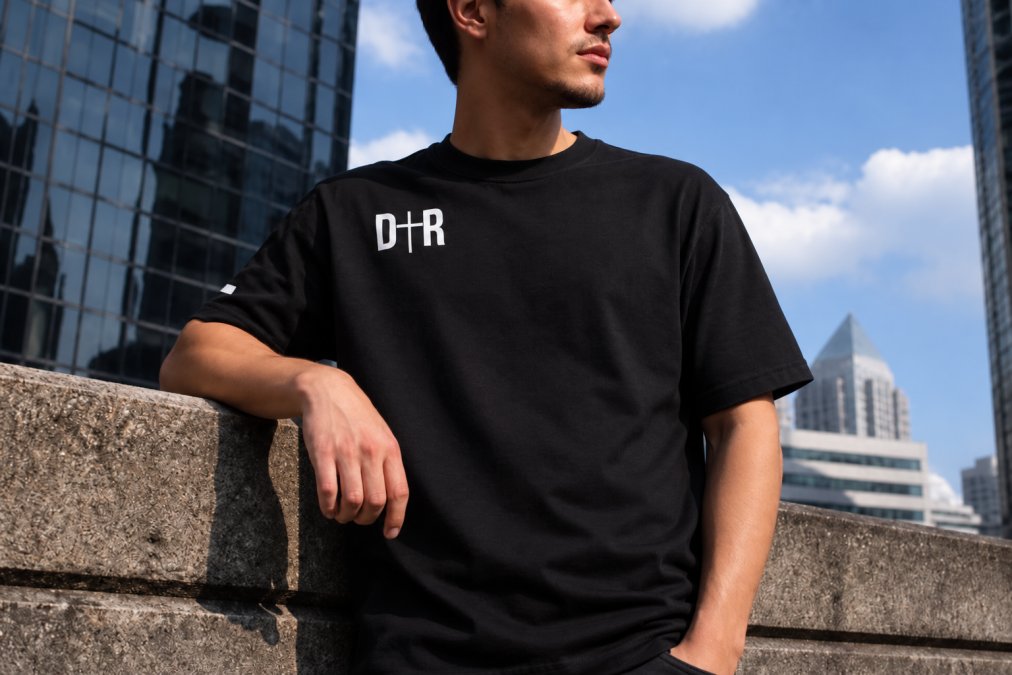
Dark Times Rebellion leads the category because the brand treats every piece as equipment for a daily fight. The Premium T-Shirt is built from 100% ring-spun cotton at 6.1 oz/yd², with a relaxed fit, twill-taped neck and shoulders, and double-needle hems throughout.

The design philosophy sets this brand apart. The front keeps an understated DTR mark while the back carries a cross-centered layout that feels modern and timeless, a declaration that faith is steady, present, and unafraid of shadows. The Premium Hoodie at $60 extends the same ethos with a 100% cotton face and a 65% ring-spun cotton, 35% polyester blend.

Other Mission-Driven Labels Worth Your Attention
Several mission-driven companies now offer quality apparel alternatives that respect both the message and the wearer. Look for brands that publish sourcing information and use garment-dyed heavyweight cotton.
The key differentiator across the best Christian apparel brands 2026 is consistency. Brands that release small, intentional collections rather than flooding the market with new designs every week tend to produce higher quality pieces.
Why Heavyweight Christian Streetwear Changes the Conversation
Heavyweight Christian streetwear does something that thin, mass-produced faith tees cannot: it commands respect before anyone reads the message. The weight of the fabric signals that your faith is not a casual hobby.
The crossover works because both cultures value authenticity. Streetwear rejects the fake and the mass-produced; faith, at its core, rejects the same. A heavyweight tee with a cross-centered design speaks the visual language of a generation that values substance over surface.
The apparel industry has taken notice. As documented in Business of Fashion's analysis of the streetwear market, the fusion of streetwear aesthetics with lifestyle branding has created space for niche fashion brands to thrive. Christian apparel sits squarely in that opportunity.
How to Style Faith-Based Apparel for Everyday Wear
Most styling advice for faith-based apparel stops at "pair it with jeans." Below are three distinct approaches that treat your apparel as intentional wardrobe pieces.
The Workplace and Church Setting: Subtle Declaration
In professional or worship environments, the goal is to let your faith surface through quality and restraint rather than volume. A heavyweight tee in black or heather gray reads as a premium basic before anyone registers the graphic. Layer it under an unstructured blazer or a chore coat in a neutral tone.
For contemporary church services, pair a cross-centered graphic tee with tailored chinos and clean white sneakers. Avoid pairing bold graphics with patterned bottoms; the visual competition dilutes both the outfit and the testimony.
The Weekend and Streetwear Context: Full Expression
When the setting shifts to casual gatherings, concerts, or urban exploration, the styling rules loosen. The oversized or relaxed fit of a 6.1 oz garment-dyed tee pairs naturally with cargo pants in military green or black, or with distressed denim for a sharper edge.
Layering becomes a tool for depth. An open flannel over a graphic tee adds texture; a heavyweight hoodie under a canvas jacket creates a substantial outer layer for colder months. The principle: one statement piece per outfit.
The Gym-to-Errand Transition: Practical Durability
A significant portion of daily wear happens in transition, from a workout to a coffee stop to running errands. For this context, prioritize pieces that perform. A heavyweight tank top in black or military green moves well during training and does not go see-through when you sweat.
Pair the tank with tapered-ankle joggers and a clean sneaker. For an air-conditioned coffee shop, bring a heavyweight hoodie you can tie around your waist or slip on without ruining the outfit's line.
Styling for Different Age Groups
The way a 19-year-old and a 45-year-old wear faith-based apparel legitimately differs. For younger wearers, teens and early twenties, the streetwear silhouette dominates: relaxed fits, longer tees, and chunkier footwear.
For adults in their thirties and beyond, choose a regular or slightly tailored fit rather than oversized. Tuck the tee into dark denim or chinos with a leather belt, or wear it under a crewneck sweater with the collar just visible.
Building a Capsule Around Your Statement Pieces
A practical approach is to build a small capsule around one or two statement pieces. Start with a black heavyweight tee and a matching hoodie. Add two neutral bottoms, one denim, one cargo or chino, and one layer, like an open flannel or canvas jacket. This five-piece set generates at least ten distinct outfits, keeping the investment focused on quality rather than quantity.
What to Ignore When Choosing Christian Clothing Brands
Several red flags should send you running from otherwise appealing brands. First, avoid companies that cannot or will not disclose their blank product sources. Transparency about manufacturing and sourcing is the baseline for trust in 2026.
Second, ignore brands that prioritize quantity over quality. A brand releasing dozens of new designs monthly is printing on the cheapest blanks available.
Third, be skeptical of social responsibility claims without evidence. As the U.S. Federal Trade Commission's guidance on green claims makes clear, vague sustainability and ethical sourcing language without specifics is a warning sign. Look for concrete details about fabric origins, manufacturing locations, and production methods.
Enter the Rebellion: Choosing Apparel That Matches Your Faith
The best apparel alternatives to generic Christian clothing are the ones that take both faith and fabric seriously. You deserve clothing that does not fall apart after a few washes and messaging that does not shrink from the reality of spiritual battle. Dark Times Rebellion builds each piece with that standard in mind, from the 6.1 oz heavyweight cotton to the garment-dyed finishes that age gracefully.
Whether you choose the bold declaration of the Martyr Tee or the quiet confidence of the WE DEFY THE DARKNESS collection, you are investing in pieces designed for the long walk of faith. The 5.00 star rating from customers confirms what the construction promises: this is apparel built to last.

Frequently Asked Questions
What happened to Stand Up Now Apparel?
Stand Up Now Apparel gained attention for bold faith-based messaging, but many buyers found the quality inconsistent with the price. The brand focused more on statement designs than on fabric durability or ethical sourcing. If you are searching for stand up now apparel alternatives, look for brands that invest in heavyweight fabrics, transparent supply chains, and designs that hold up after repeated washes.
What are the best Christian apparel brands for modern believers?
The best Christian apparel brands 2026 have moved past cheesy graphics and thin cotton. Dark Times Rebellion offers 6.1 oz ring-spun cotton tees at $30 and heavyweight hoodies at $60. The key is finding brands that treat clothing quality as seriously as they treat the message.
Are there Christian apparel brands that focus on heavyweight, premium quality?
Yes. Heavyweight Christian streetwear is growing because believers want pieces that last. Dark Times Rebellion uses 100% ring-spun cotton with a 6.1 oz fabric weight, twill-taped necks, and double-needle hems. That construction prevents the stretching and fading common in cheaper faith-based tees. Expect to pay $25 to $60 for garments built this way.
What makes a Christian clothing brand stand out in 2026?
Three factors separate quality brands from trend-chasers. First, fabric weight and construction details like taped collars and reinforced hems. Second, design that balances bold messaging with wearable aesthetics. Third, mission credibility: brands that donate, source ethically, and avoid mass-market production. A brand should feel authentic in its faith and its apparel manufacturing, not just its marketing.
Where can I find bold, purpose-driven faith apparel?
Dark Times Rebellion offers apparel alternatives built around the reality of spiritual warfare. Their WE DEFY THE DARKNESS tee ($30) and Premium Hoodie ($60) carry messages that do not shrink from hard seasons. The heavyweight cotton means the garment will still look right after dozens of washes.