

Last Updated: October 23, 2026
Quick Summary
The best fabric blends for long lasting graphic tees prioritize a smooth, tight knit surface that holds ink plus enough cotton weight to survive repeated washing. 100% ring-spun cotton at 6.1 oz/yd² offers the longest print life, while high-cotton blends like 90/10 or 80/20 come close with lower shrink risk.
- Aim for fabric weight of 5.5 oz and up, or roughly 180 GSM and above.
- Ring-spun and combed cotton give sharper lines, more vibrant prints, and less fuzzing over time.
- Wash graphic tees inside out in cold water and air dry or tumble on low heat.
- Tri-blend feels softest but rayon weakens when wet and print detail can blur.
- Twill-taped neck and shoulder seams plus double-needle hems boost longevity more than blend names.
Table of Contents
- Best Fabric Blends for Long Lasting Graphic Tees: A Quick Comparison
- How Fabric Blend Ratios Decide Print Life and Wear
- 100% Cotton vs Cotton Polyester Shirts: Which Lasts Longer
- The Best Material for Screen Printing T-Shirts
- Tri-Blend T-Shirt Pros and Cons
- How to Make Graphic Shirts Last Longer
- Pilling, Abrasion, and Shape Retention: What Wear Tests Show
- Which Fabric Blends Fit Your Climate and Wear Habits
- Frequently Asked Questions
Best Fabric Blends for Long Lasting Graphic Tees: A Quick Comparison
The best fabric blends for long lasting graphic tees share two traits: a smooth, tight knit surface that holds ink, and enough cotton weight to survive repeated washing. At Dark Times Rebellion, we build every tee from 100% ring-spun cotton at 6.1 oz/yd². Below we compare the real options, from 100% cotton to tri-blend, and show which one keeps a print sharp longest.
Here is the short version before the detail:
| Blend | Print Life | Softness | Shrink Risk | Best For |
|---|---|---|---|---|
| 100% ring-spun cotton | Longest | High after wash | Moderate, pre-shrunk helps | Daily wear, bold prints |
| 60/40 cotton-poly | Long | Medium | Low | Budget runs, workwear |
| 50/50 cotton-poly | Medium | Medium | Low | Activewear, heat transfer |
| Tri-blend | Medium | Highest | Low | Soft retail feel |
| Hemp or bamboo blends | Varies | High | Low | Niche eco lines |
Most guides tell you to chase softness. That advice is backwards for graphic tees. Softness fades in the wash; a stable print surface is what keeps a design readable after fifty cycles. Keep reading and we will show you exactly which blends protect a print and which quietly destroy it.
How Fabric Blend Ratios Decide Print Life and Wear
Blend ratios matter because cotton and synthetic fibers behave differently under ink and heat. A higher cotton share gives screen printing a stable, absorbent surface.
A 60/40 cotton-poly blend leans toward durability and low shrinkage. A 50/50 blend splits the difference and suits heat-transfer prints. Tri-blend mixes cotton, polyester, and rayon for a soft hand that feels premium but wears faster at high-friction points.
Ring-Spun and Combed Cotton: The Print Surface That Matters
Ring-spun cotton is cotton spun into a fine, smooth yarn that creates a tight, even knit. That smooth weave is the print surface screen printers want, because ink sits flush instead of sinking into lumpy gaps.
For graphic tees, ring-spun and combed cotton give you sharper lines, more vibrant prints, and less fuzzing over time. You can read more on why that yarn structure holds up in our guide to the benefits of ring-spun cotton for T-shirts.
Fabric Weight in GSM and Ounces: Why Heavier Holds Longer
Fabric weight is the mass of the cloth per unit area, measured in grams per square meter (GSM) or ounces per square yard. Heavier fabric holds a print longer because it resists stretching, thinning, and abrasion.
For graphic tees, aim for 5.5 oz and up, or roughly 180 GSM and above. If you want the deeper science on why mass equals longevity, our breakdown of why heavyweight fabric lasts longer covers the mechanics.
100% Cotton vs Cotton Polyester Shirts: Which Lasts Longer
100% cotton wins on print quality and breathability; cotton-poly blends win on shrinkage control and wrinkle resistance. For a graphic tee you plan to wear and wash for years, 100% ring-spun cotton is the stronger pick because the print bonds better and the surface stays smooth.
The trade-off is real. Cotton shrinks and wrinkles more, so pre-shrunk or garment-dyed cotton is worth the small premium. Polyester resists both but traps heat and can pill where ink meets friction.
The Best Material for Screen Printing T-Shirts
The best material for screen printing T-shirts is 100% ring-spun cotton, followed closely by high-cotton blends of 90/10 or 80/20. Cotton absorbs plastisol and water-based inks evenly, which produces crisp edges and saturated color.
Here is how the common options stack up for print work:
- 100% ring-spun cotton: sharpest detail, best ink absorption, longest print life
- 90/10 or 80/20 cotton-poly: good detail, slightly lower absorbency, low shrink
- 50/50 blend: acceptable for bold shapes, poor for fine lines, best with heat transfer
If your design has small text or tight linework, cotton is not optional. It is the difference between a print that reads clean and one that muddies.
Tri-Blend T-Shirt Pros and Cons
Tri-blend tees mix cotton, polyester, and rayon, and they feel softer than almost anything else on the rack. That softness is the whole pitch. The catch is that softness often comes at the cost of print durability and shape retention over years of washing.
Pros:
Hope is Forged - Premium T-Shirt - Grey →
- Exceptionally soft, drapey hand feel
- Low shrinkage and wrinkle resistance
- Lightweight and comfortable in warm weather
Cons:
- Rayon weakens when wet, so it wears faster at stress points
- Print detail can blur on the uneven fiber mix
- Pills more than pure cotton
Tri-blend is a fine choice for a fashion tee you rotate gently. It is a poor choice for a graphic you plan to wear hard and wash often.
How to Make Graphic Shirts Last Longer
To make graphic shirts last longer, wash them inside out in cold water, skip the dryer heat, and never iron directly on the print. But the generic routine only gets you so far.
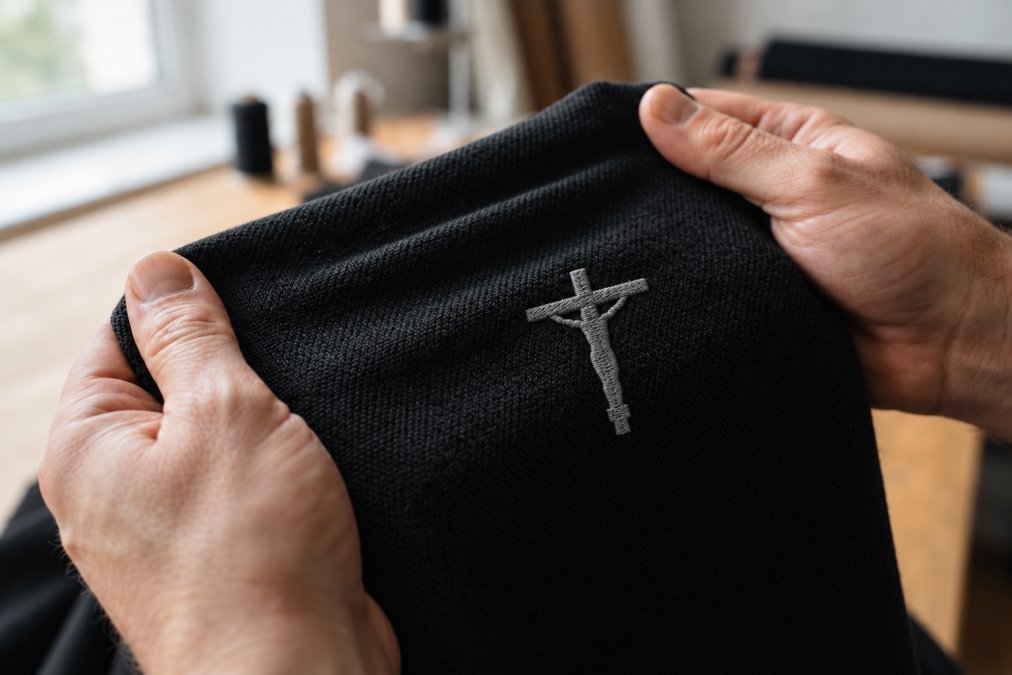
Start with the universal habits that protect any graphic:
- Turn the shirt inside out before washing to reduce surface abrasion on the print
- Use cold water on a gentle cycle to limit fiber swelling and dye loss
- Skip fabric softener, which coats fibers and can weaken ink adhesion over time
Now match the routine to the blend and print method:
- 100% ring-spun cotton with screen print (plastisol or water-based): Cotton absorbs ink into the fiber, so the print is more forgiving. Wash cold and air dry to control shrinkage; cotton can shrink noticeably on the first hot wash, and a pre-shrunk or garment-dyed tee reduces that risk. Avoid bleach, which attacks both dye and cotton fiber.
- High-cotton blends (90/10 or 80/20) with screen print: Similar to pure cotton, but the small polyester share helps the shirt resist wrinkling and shrinkage. Keep heat low; polyester softens and can glaze under a hot iron even at low percentages.
- 50/50 cotton-poly with heat transfer or DTG: The polyester side repels water-based ink, so the print sits closer to the surface and is more prone to cracking and peeling. Wash inside out on gentle, avoid fabric softener, and never tumble on high heat. Heat-transfer graphics are especially vulnerable to dryer heat, so air drying is the safest habit.
For a full step-by-step routine, our guide on how to wash heavyweight cotton tees walks through temperature, detergent, and drying in detail. Following it is the cheapest way to double a shirt's wearable life.
Pilling, Abrasion, and Shape Retention: What Wear Tests Show
Pilling, abrasion, and shape loss are the three failures that separate a tee that lasts from one that looks tired in a year. Pilling comes from loose short fibers rubbing together; abrasion thins the fabric at cuffs, underarms, and the collar; poor shape retention shows up as a stretched neck and sagging hem. Higher-quality ring-spun cotton and twin-needle stitching resist all three.
What most reviews miss is that construction matters as much as fiber. Twill-taped neck and shoulder seams, double-needle hems, and a reinforced collar do more for longevity than a fancy blend name. If you want to judge a shirt yourself before buying, run through our quality check for graphic T-shirts checklist.
Which Fabric Blends Fit Your Climate and Wear Habits
The right blend depends on where you live, how hard you wear the shirt, and which print method the graphic uses.
A quick decision guide:
- Warm climate, daily wear: 100% ring-spun cotton, 5.5 to 6.1 oz, breathable and print-friendly for screen printing and DTG
- Warm climate, active use: cotton-poly blend for quick-drying moisture management; pair with heat transfer or sublimation rather than fine-line screen print
- Cold climate, layering: heavyweight cotton for warmth and structure; a 6.1 oz tee layers without bulk and holds a print through repeated washing
Blend ratios change the trade-offs in ways that matter for graphics:
- 100% cotton: best ink absorption and sharpest detail, but shrinks and wrinkles more; pre-shrunk or garment-dyed versions reduce the risk
- 60/40 cotton-poly: leans toward durability and low shrinkage; good for budget runs and workwear, but water-based inks may not bond as deeply as on pure cotton
- 50/50 cotton-poly: splits the difference; suits heat-transfer prints and activewear, but fine-line screen printing can muddy
If you live somewhere warm year-round, a 6.1 oz cotton tee is still wearable. The weight adds structure, not bulk, and cotton breathes better than polyester. Match the blend to your habits and your print method, not to a trend.
Frequently Asked Questions
What are the best fabric blends for long-lasting graphic tees?
Heavyweight 100% ring-spun cotton in the 6.1 oz/yd² (206.8 g/m²) range is the most reliable base for a printed tee: the smooth, tight knit holds screen-printed ink cleanly and resists the stretching that cracks designs. Cotton-poly blends (50/50 or 60/40) last longer against shrinkage and wrinkling but can pill faster on the print surface. Tri-blends win on softness and drape, not on print longevity. Match the blend to your print method and wash routine before you buy.
Is 100% cotton or a cotton-polyester blend better for printed shirts?
For screen printing, 100% ring-spun cotton usually wins because ink bonds to the smooth cotton face and stays sharp through repeated washing. Cotton-polyester shirts resist shrinkage and wrinkling better, which helps the shirt keep its shape, but polyester fibers can cause ink to sit on the surface rather than sink in, so prints may crack sooner. If you want the design to look new the longest and you wash cold, go cotton. If you want a shirt that survives hot washes and travel, a 60/40 blend is a reasonable trade.
How can I make graphic shirts last longer?
Turn the shirt inside out before washing, use cold water on a gentle cycle, and skip the dryer or tumble on low. Wash graphic tees with like colors and avoid fabric softener, which coats the print and breaks down the ink bond. Hang or lay flat to dry. Rotate your tees so no single shirt takes every wash cycle, and store folded rather than on a hanger to protect the shoulders. These habits add years to any blend, even a cheaper one.
Do tri-blend shirts last as long as cotton-polyester shirts?
Usually no. Tri-blends mix cotton, polyester, and rayon, and the rayon content is what makes them feel soft and drape well, but it also makes the fabric weaker and more prone to stretching out of shape. Cotton-polyester shirts hold their structure longer under repeated washing. A tri-blend is a comfort pick for light wear, not the workhorse you reach for daily. If longevity is the priority, choose a heavier cotton or a 60/40 cotton-poly over a tri-blend.
What fabric weight should I look for in a durable graphic tee?
Look for 5.5 oz/yd² or heavier, and treat 6.1 oz/yd² (about 207 g/m²) as a solid benchmark for a shirt that holds its shape and supports a print. Lighter 4 oz shirts feel cool but stretch and thin out faster, and the print surface distorts with them. Heavier fabric also resists the abrasion that causes pilling. Check the label for both the weight and the knit type, since ring-spun cotton at the same weight prints cleaner than open-end cotton.
